Understanding Slot Machines: Technology, Mechanics, and Player Psychology
Slot machines are more than just a popular attraction in casinos worldwide; they are a sophisticated blend of technology, psychology, and entertainment design. This article explores the inner workings of slot machines, shedding light on how they operate, the technology that drives them, and the psychological aspects that make them so engaging.
The Basics of Slot Machines
.png)
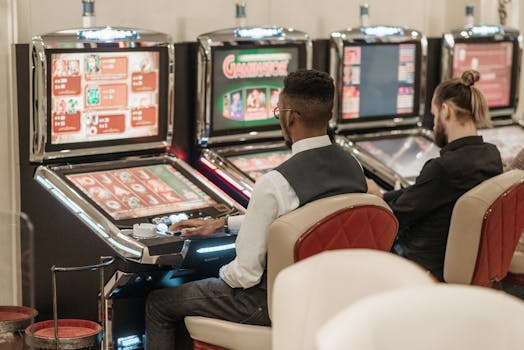
Slot machines operate by spinning reels adorned with a variety of symbols. When a player inserts money or a digital ticket, and presses the play button, the reels begin to spin. Eventually, they come to a stop and display a series of symbols across a payline—a line across the reels that determines winning combinations. The goal is to line up specific combinations of symbols according to the rules of the game.
The Technology Behind Slot Machines
The heart of a modern slot machine is the Random Number Generator (RNG). This computer algorithm generates random sequences of numbers, each corresponding to a specific set of symbols on the reels. When the play button is pressed, the RNG generates a new number that dictates the configuration of symbols shown on the reels. This randomness ensures that each spin is independent of the last, providing fair play and unpredictability in the game's outcome.
Understanding Paylines
Paylines are lines that can be horizontal, vertical, diagonal, or even zigzag across the reels. Traditional slot machines typically had a single horizontal payline, but modern machines can feature multiple paylines. The number of paylines can significantly impact the game, as more paylines increase the chances of winning on each spin. However, more paylines also mean a higher bet per spin.
Payout Percentages and House Edge
Slot machines are programmed with specific payout percentages. These percentages indicate the amount of money a slot pays back to players over a certain period. For instance, a slot machine with a 95% payout percentage returns 95% of the wagered money to players, keeping 5% as a profit margin or 'house edge.' This house edge is a critical aspect of casino operations, ensuring profitability.
The Psychology of Slot Machines
Slot machines are ingeniously designed not only for random outcomes but also to maximize player engagement. Visual elements like flashing lights, celebratory sounds, and the strategic use of colors are psychologically appealing. Additionally, the 'near-miss' phenomenon—a scenario where players nearly achieve a substantial win—plays a significant role in player engagement, encouraging further play in anticipation of a win.
Responsible Gambling
With the fun and excitement of slot machines, it’s important to practice responsible gambling. Players should set budgets, recognize the signs of problem gambling, and know when to stop. Many casinos provide resources to help players gamble responsibly, promoting a balanced approach to casino entertainment.
Conclusion
Slot machines combine complex technology, game design, and psychology to create compelling and engaging games. By understanding how these elements work together, players can appreciate slot machine games more fully, enhancing their experience in casinos. Always remember to engage in gambling activities responsibly, keeping the entertainment enjoyable and within personal limits.