Maximizing Your Edge in Blackjack: Advanced Techniques to Beat the Dealer
Blackjack, a captivating mix of luck and strategy, offers more to the discerning player than meets the eye. While a solid grasp of basic strategy is crucial for minimizing the house edge, delving into more advanced tactics can enhance your chances of walking away a winner. This guide explores several sophisticated strategies that can help elevate your blackjack game.
- Card Counting: A Game Changer
Card counting stands out as one of the most effective and talked-about strategies in blackjack. By tracking the ratio of high cards (10, Jack, Queen, King, Ace) to low cards (2 through 6) left in the deck, skilled players can adjust their bets and actions to align with the current advantage. While card counting is legal, it's essential to use discretion as casinos may discourage this practice by asking players to leave the game.
.png)
- Shuffle Tracking: Observational Expertise
Shuffle tracking is a sophisticated strategy that involves watching groups of cards during the shuffle and predicting where they might land in the new deck. This technique requires exceptional observation skills and a deep understanding of shuffling methods. Effective shuffle tracking can provide a significant edge by predicting the occurrence of high-value cards, enabling strategic betting and decision-making.
- Betting Systems: Structured Approaches
Although no betting system can permanently overcome the house edge, systems like Martingale, Fibonacci, and D'Alembert help manage your bankroll and impose a methodical approach to betting. For instance, the Martingale system suggests doubling your bet after a loss, aiming to recoup losses with a single win. However, these systems require careful consideration and sound financial management to avoid substantial losses.
- Dealer Tells: Psychological Insights
Some dealers might inadvertently reveal clues about their hidden card. These tells — subtle gestures, facial expressions, or the manner of checking their hole card — can provide critical insights into the dealer's hand. Skilled players can leverage these clues to make more informed decisions, potentially tipping the scales in their favor.
- Composition-Dependent Strategy: Fine-Tuning Basic Strategy
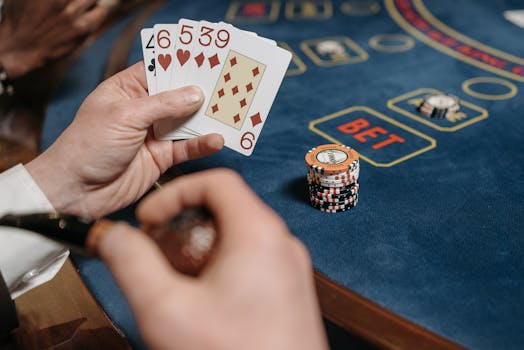
Moving beyond basic strategy, the composition-dependent strategy considers the specific cards that make up your hand. For example, a 16 made up of three or more cards might be played differently than a 16 comprising two 8s. This approach requires a deep understanding of probabilities and outcomes based on the deck's composition, offering a refined way to reduce the house edge further.
Conclusion
While blackjack remains a game influenced by chance, integrating these advanced strategies can substantially diminish the house edge and amplify your winning potential. Mastery of card counting, shuffle tracking, strategic betting, reading dealer tells, and adopting composition-dependent strategies can provide a robust toolkit for any blackjack enthusiast. Remember, consistent practice, patience, and strategic adaptability are key to mastering these techniques and achieving success at the blackjack table.
By embracing these advanced strategies alongside rigorous practice, players can not only enjoy an enhanced gaming experience but also increase their likelihood of achieving profitable outcomes. Whether you're a seasoned player or an enthusiastic newcomer, refining your approach to blackjack can lead to both improved skills and more enjoyable gameplay.