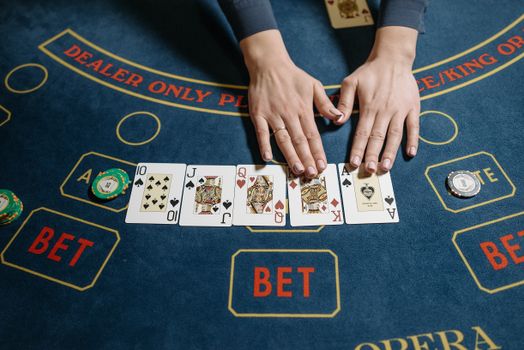
Online poker has transformed the classic card game into a global phenomenon, where players of all backgrounds compete for skill, strategy, and often significant winnings. With millions playing daily and over $40 billion wagered in online poker rooms annually, the competition is fierce and the stakes are real. While luck plays a part, successful players know that skillful strategies and expert insights make all the difference. But what do the pros really do differently? In this article, we unveil the best strategies for playing online poker, drawing directly from the wisdom and habits of top professionals. Whether you’re a curious beginner or a seasoned grinder, these advanced tips will elevate your game and sharpen your edge at the virtual felt.
Understanding the Online Poker Landscape
Before diving into specific strategies, it’s crucial to grasp the dynamics that set online poker apart from its live counterpart. The game’s fast pace, anonymized avatars, and multi-tabling options create unique challenges and opportunities.
Speed and Volume: Online poker hands are dealt up to three times faster than in live games, with an average of 60-80 hands per hour at a single table. Many professionals play 4-8 tables simultaneously, seeing thousands of hands per session.
.png)
Player Pool Diversity: Online platforms draw players from all over the world, leading to varied play styles and skill levels. According to PokerScout, top sites like PokerStars and GGPoker attract over 100,000 concurrent players during peak hours.
Data-Driven Decisions: Online play allows for the use of tracking software, hand histories, and player notes—tools unavailable in most live settings.
Understanding these factors is the first step to adjusting your approach and tapping into the strategies pros rely on for consistent results.
Mastering Table Selection and Game Choice
Professionals agree: where you play matters as much as how you play. Smart table and game selection can dramatically influence your win rate, often more than technical skill alone.
Table Selection: Seek out tables with players less skilled than you. Many online poker rooms offer “table stats” showing average pot size and percentage of players seeing the flop. Look for high average pots and high “players/flop” percentages—these indicate looser, more profitable games.
Game Variation: While Texas Hold’em is the most popular variant, games like Omaha and Seven Card Stud can offer softer competition. According to a 2023 survey by CardsChat, 68% of high-volume online pros regularly switch formats to capitalize on weaker opponents.
Stakes and Bankroll Management: Professionals rarely play outside their comfort zone. Most adhere to a strict bankroll management plan, never risking more than 1-2% of their total bankroll in a single buy-in. For example, if you have $1,000 dedicated to poker, you should play games with a $10-$20 buy-in or less.
Here’s a quick comparison of the most popular online poker variants:
| Poker Variant | Average Skill Level | Pace | Pro Tip |
|---|---|---|---|
| Texas Hold’em | High | Fast | Table selection is crucial—avoid shark-infested waters |
| Omaha | Moderate | Fast | Look for players overvaluing weak hands |
| Seven Card Stud | Low | Moderate | Capitalize on players unfamiliar with stud dynamics |
Exploiting Player Tendencies: Profiling and Adaptation
Winning at online poker requires more than playing your own cards—you must also read your opponents. Since physical tells are absent online, professionals rely on digital cues and behavioral patterns.
Use of Software: Tools like PokerTracker and Hold’em Manager allow players to track opponents’ statistics, such as VPIP (Voluntarily Put Money in Pot), PFR (Pre-Flop Raise), and aggression factor. For instance, an opponent with a VPIP over 40% is likely playing too many hands and can be exploited with stronger value bets.
Note Taking: Most online platforms let you tag players and take notes. Pros routinely jot down tendencies—such as “bluffs river often” or “folds to 3-bet”—to exploit in future hands.
Adapting in Real Time: Professionals constantly adjust their strategies based on table dynamics. If a table becomes too tight, they open up their range and steal more blinds. If it’s loose and aggressive, they tighten up and trap overzealous opponents.
A 2022 study by Upswing Poker found that players who actively adapt their strategies—rather than sticking rigidly to a single style—improve their long-term win rate by up to 30%.
Leveraging Position and Aggression
Ask any poker pro for their most fundamental advice, and you’ll likely hear about the power of position and selective aggression.
The Power of Position: Being “in position” (acting after your opponents) provides a massive informational advantage. Data from The Hendon Mob’s online hand histories show that players in late position (button and cutoff) win 18% more pots than those in early position.
Aggressive Play: Passive play (just calling bets) is rarely profitable. Professionals use aggression to put pressure on opponents, maximize value from strong hands, and force mistakes. For example, a well-timed continuation bet (c-bet) after raising pre-flop will win the pot uncontested about 55% of the time, according to analysis by PokerStrategy.com.
Balancing Ranges: Pros mix up their play with strong and marginal hands in similar situations, making them unpredictable. This prevents observant opponents from easily “reading” their strategy.
Advanced Bluffing and Value Betting Techniques
Bluffing is an art, but professional online players elevate it to science. Here’s how they approach deception and extracting maximum value:
Bluffing Frequency: While new players often bluff too much, pros pick their spots carefully. Studies show that successful online players bluff on roughly 20-25% of missed draws or weak holdings, focusing on situations where their story is believable.
Semi-Bluffs: Pros love semi-bluffing—betting with a drawing hand that could improve on later streets. This provides two ways to win: either force a fold or hit a strong hand on the turn or river.
Sizing for Value: When betting for value (with a strong hand), professionals size their bets to get called by worse hands. For example, betting 60-70% of the pot with top pair against a loose player maximizes profit, as shown by hand analysis from Run It Once.
Reverse Tells: Some advanced players intentionally act quickly or slowly to mislead observant opponents. For example, snap-calling with a strong hand or tanking with a weak one.
Managing Tilt and Maintaining Mental Strength
Poker is as much a mental game as a mathematical one. Pros spend significant time developing emotional resilience to handle swings and setbacks.
Recognizing Tilt: “Tilt” refers to emotionally driven play, often after a bad beat or losing streak. Even the best players are vulnerable—Phil Galfond, a renowned pro, has spoken openly about the importance of “tilt control” in his success.
Techniques for Focus: Top players use mindfulness, meditation, and scheduled breaks to stay sharp. A 2021 survey by 2+2 Forums found that 61% of online professionals practice some form of mental training.
Setting Limits: Professionals set strict stop-loss limits to avoid chasing losses. For example, if they lose four buy-ins in a session, they take a break or end play for the day.
The difference between a winning and losing player often comes down to mental strength and the ability to stick to a disciplined strategy, even under pressure.
Final Thoughts: Elevating Your Online Poker Game with Pro Strategies
Online poker has leveled the playing field, allowing anyone with determination and a solid strategy to compete with the best. The pros don’t rely on luck; they deploy a toolkit of advanced tactics—from sharp table selection to nuanced psychological warfare. By integrating these strategies into your play, you’ll not only improve your results but also deepen your appreciation for the game’s complexity.
Remember: mastery comes from continuous learning and adaptation. Review your hand histories, seek out new insights, and never stop refining your edge. The tables are waiting—are you ready to play like a pro?