The Influence of Psychology on Decision-Making in Online Casinos
Online casinos have revolutionized the gambling industry, offering players the excitement and thrill of games of chance from the comfort of their homes. But beneath the flashing graphics and enticing promotions lies a complex web of psychological influences that shape every decision a player makes. From the subtle cues embedded in game design to the emotional highs and lows experienced during play, psychology is a pivotal force in the world of online gaming. Understanding these psychological drivers is crucial—not just for players aiming to make informed choices, but also for regulators and developers looking to create safer, more responsible gaming environments.
The Psychology of Risk and Reward in Online Gambling
At the core of every casino game is the concept of risk versus reward, a theme that has fascinated psychologists for decades. The anticipation of a possible win triggers a release of dopamine in the brain, a neurotransmitter associated with pleasure and reward. This chemical reaction is not limited to actual wins; even near-misses or the mere possibility of winning can produce similar effects. According to a study published in the journal "Neuron," near-miss outcomes in gambling activate the same brain regions as actual wins, increasing the urge to continue playing.
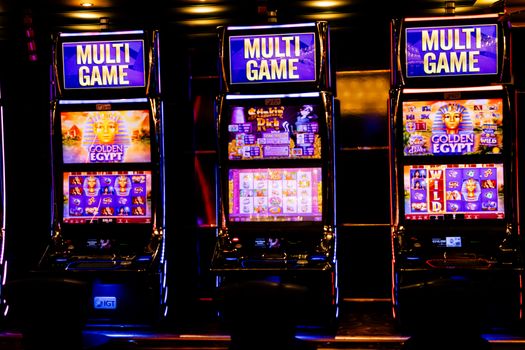
Online casinos harness this psychological mechanism by designing games with frequent small wins and near-misses, keeping players engaged and motivated. Slot machines, for example, are infamous for their use of near-miss symbols and random rewards to sustain player interest. In fact, a 2017 study found that players experiencing near-misses were up to 30% more likely to continue playing compared to those who had regular losses.
.png)
Game Design: How Visuals and Sounds Influence Player Choices
The design of online casino games is a masterclass in applied psychology. Every element, from the color palette to the sound effects, is meticulously crafted to enhance engagement and influence player decisions. Bright colors like red and gold are commonly used because they are associated with excitement and luck in many cultures. Sound effects such as the clinking of coins or celebratory music upon winning reinforce positive emotions and encourage continued play.
A 2021 experiment by the University of British Columbia found that players exposed to dynamic audiovisual feedback during slot play reported higher levels of excitement and played for longer periods than those with muted or static feedback. This reliance on sensory stimuli is no accident; it taps into the brain’s reward system, making the gaming experience more immersive and difficult to step away from.
Moreover, online casinos often use animation and progress bars to give players a sense of advancement and achievement, even when monetary gains are minimal. This gamification of gambling exploits the same psychological principles found in video games, where players are driven to reach new levels or unlock achievements.
Cognitive Biases: Mental Shortcuts That Affect Gambling Decisions
Human decision-making is riddled with cognitive biases—systematic errors in thinking that can lead to poor judgments. Online casinos often, unintentionally or otherwise, amplify these biases to keep players engaged.
One of the most common biases in gambling is the "Gambler’s Fallacy," the mistaken belief that past outcomes affect future probabilities. For example, if a roulette wheel lands on red five times in a row, a player might believe that black is "due" to come up next, even though each spin is independent. This fallacy can lead to riskier bets and extended play sessions.
Another significant bias is the "Illusion of Control," where players overestimate their ability to influence random outcomes. Features like "stop" buttons on slot machines or interactive bonus rounds can give players a false sense of agency, despite the underlying randomness of the games.
The "Availability Heuristic" also plays a role. Players tend to overestimate the frequency of wins if they have recently experienced one or have seen others win, often showcased through leaderboards or winner notifications. This leads to an inflated perception of the odds and greater willingness to place bets.
Here is a comparison table summarizing the impact of different cognitive biases in online casino decision-making:
| Cognitive Bias | Description | Effect on Player Decisions |
|---|---|---|
| Gambler’s Fallacy | Belief that past outcomes influence future results | Leads to riskier bets after streaks |
| Illusion of Control | Overestimating one’s ability to affect random events | Encourages more frequent or larger bets |
| Availability Heuristic | Overestimating the likelihood of recent or memorable outcomes | Increases play after observing or experiencing wins |
| Confirmation Bias | Focusing on information that supports existing beliefs | May ignore losses and emphasize wins |
Social and Emotional Drivers in Online Casino Behavior
While much of the focus is on individual psychology, social and emotional factors also play a vital role in online casino decision-making. Many platforms incorporate social features such as chat rooms, tournaments, and leaderboards to foster a sense of community and competition. These features can heighten engagement, as players seek validation, recognition, or camaraderie.
Emotions, particularly stress, boredom, or loneliness, often drive people to online casinos in the first place. According to a 2022 survey by Statista, 27% of online gamblers cited "relaxation and stress relief" as their primary motivation for playing. Once engaged, emotional highs (from wins) and lows (from losses) can trigger impulsive decisions. The phenomenon of "chasing losses"—where players continue to gamble in an attempt to recover previous losses—is driven by both emotional distress and cognitive distortions.
Furthermore, the anonymity and convenience of online casinos can reduce social inhibitions, making it easier for individuals to take risks they might avoid in a traditional casino setting.
The Impact of Bonuses, Promos, and Loyalty Schemes on Decision-Making
Online casinos frequently use bonuses, free spins, and loyalty schemes to attract and retain players. These incentives play directly into psychological principles such as loss aversion and the endowment effect. For example, a welcome bonus may create a feeling of "free money," encouraging riskier bets since the funds are not perceived as the player’s own.
Loyalty programs tap into the human desire for status and progression. By rewarding frequent play with points, badges, or exclusive perks, casinos create a sense of achievement and belonging. This can lead to increased playtime and spending, as players strive to reach the next tier or unlock a coveted reward.
A 2023 industry report by H2 Gambling Capital found that customers enrolled in loyalty programs were 40% more likely to make repeat deposits compared to non-enrolled players. The structure of these promotions is carefully designed to maximize engagement and minimize attrition, often requiring players to wager multiple times before being able to withdraw bonus winnings.
Responsible Gambling: Applying Psychological Insights for Safer Play
Understanding the psychological influences at play in online casinos is not just about identifying risks—it’s also key to promoting responsible gambling. Many platforms now employ behavioral analytics to detect patterns of risky play, such as chasing losses or rapid betting, and intervene with warnings or time-out suggestions.
Some online casinos provide players with tools to set deposit limits, session time reminders, and self-exclusion options. These features leverage psychological principles like "commitment devices," encouraging players to make rational decisions in advance, before emotions take over during play.
Public awareness campaigns also use psychology to educate players about cognitive biases and emotional triggers, empowering them to make more informed decisions. For instance, the UK Gambling Commission’s "BeGambleAware" initiative emphasizes recognizing the signs of problem gambling and seeking help early.
Final Reflections: Psychology’s Lasting Impact on Online Casino Choices
The intersection of psychology and online casino decision-making is both fascinating and consequential. From the thrill of uncertain rewards to the subtle power of game design and promotional tactics, every facet of the online gaming experience is shaped by psychological forces. While these insights help explain why online casinos are so engaging, they also highlight the need for careful self-awareness and robust safeguards to promote responsible play.
As the online gambling industry continues to grow—reaching a global market value of over $92 billion in 2023—understanding these psychological drivers is more important than ever. Whether you are a player, developer, or policymaker, recognizing the influence of psychology can lead to more mindful choices, healthier gaming habits, and a safer environment for all.