Casino House Edge: What Every Player Should Know
Understanding the house edge is crucial for anyone stepping into a casino, whether they are a seasoned gambler or a casual player. The house edge is a mathematical advantage that the casino has over the players, ensuring that the house always ends up making a profit in the long run. This article will delve into what the house edge is, how it works, and what you need to know to make informed decisions while gambling.
What is the House Edge?
.png)
The house edge is essentially the casino's profit margin. It's calculated over the long term and integrated into every game offered by a casino. The edge varies from one game to another and is expressed as a percentage. This percentage represents the average gross profit the casino expects to make from each game. For example, if a game has a house edge of 5%, it means that for every $100 wagered, the casino expects to make $5.
How Does the House Edge Affect Games?
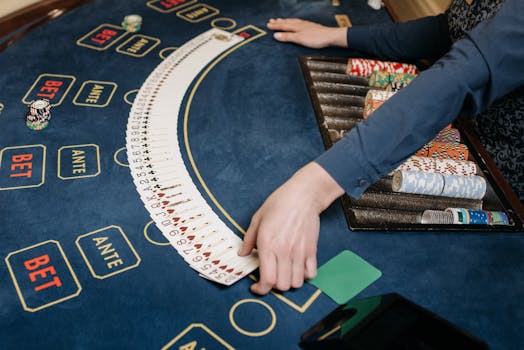
- Blackjack: One of the most popular casino games, blackjack, typically has one of the lowest house edges. With the right strategy, the house edge in blackjack can be reduced to as low as 0.5%. This is why many seasoned players spend time learning and practicing strategies.
- Slots: Slots, on the other hand, have a higher house edge. It can range from 2% to 10% or even higher, depending on the specific slot machine. The simplicity and the chance of hitting a massive jackpot make slots incredibly popular despite the higher house edge.
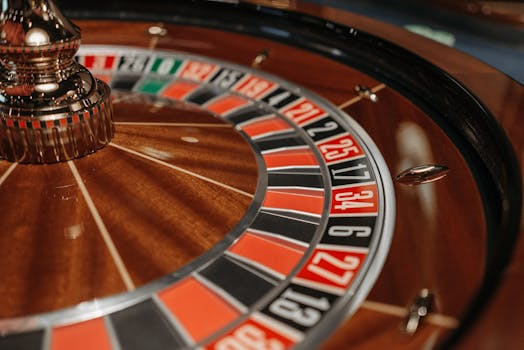
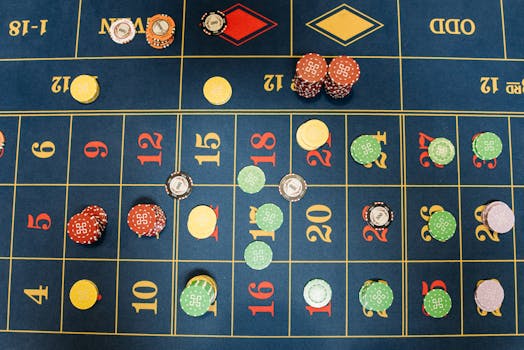
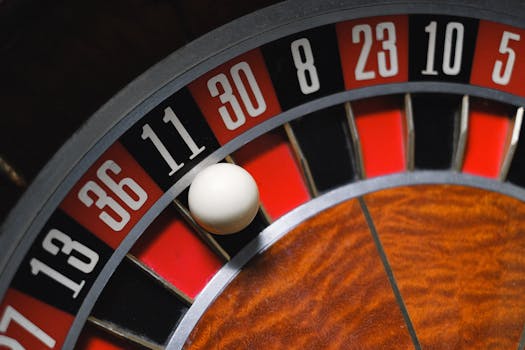
- Roulette: Roulette is another game with a variable house edge. American roulette has a higher house edge of about 5.26% due to the double zeros on the wheel, while European roulette has a lower house edge of about 2.7% because it only has one zero.
Managing Your Bankroll
Understanding the house edge is crucial because it helps you manage your bankroll more effectively. Knowing that a game has a high house edge should prompt you to modify your betting strategy. For instance, in games with a high house edge, it might be wiser to place smaller bets to extend your playtime and enjoyment.
The Impact of Skill
Many casinos also offer games with a skill element, such as poker. In these games, the house edge can be significantly reduced by the player's skill level. The more skilled you are, the better your chances of winning. However, it's important to note that there is always a risk involved in gambling, and no strategy can guarantee a win.
Long-term vs. Short-term Impact
It's also important to remember that the house edge is a long-term average. The variance, which is the swing in your balance up or down, can be significant in the short term. This means you can win, even against games with a high house edge, in the short term. However, the longer you play, the more likely you are to see results that mirror the house edge.
Conclusion
Casinos are designed to make a profit, and the house edge plays a significant role in ensuring this. As a player, your best strategy is to choose games with a low house edge, manage your bankroll wisely, and know when to walk away. Gambling should be entertaining, and understanding the house edge is part of being a responsible gambler. In conclusion, the house edge is a fundamental concept that all casino players should understand. It affects every game you play, how much you spend, and your potential winnings. By understanding the house edge, you can enhance your gaming experience, manage your budget better, and make more informed decisions. Remember, the goal is to enjoy the game and not let the house edge discourage you from having a good time at the casino.