Roulette: Unraveling the Game of Chance
Roulette is one of the most iconic and enduring games found in casinos worldwide. With its spinning wheel, bouncing ball, and the thrilling anticipation that comes with every spin, roulette is a game that perfectly embodies the allure of chance. Its appeal transcends generations, cultures, and even continents, making it a staple of both land-based and online casinos. But what lies beneath this seemingly simple game? How did roulette develop into the global phenomenon it is today, and what makes it such a compelling example of the interplay between luck, mathematics, and human psychology?
In this comprehensive exploration, we’ll delve into the origins and evolution of roulette, examine the mathematics behind the game, compare the main variants, and uncover the rich tapestry of myths, strategies, and cultural impact that surround it. Whether you’re a curious newcomer, a casual player, or a seasoned gambler, this journey will reveal why roulette remains a captivating game of chance.
The Origins and Evolution of Roulette
Roulette’s roots can be traced back to 18th-century France, where it emerged from a blend of existing wheel games and the mathematical curiosity of famed philosopher Blaise Pascal. While Pascal’s original 17th-century experiments with perpetual motion accidentally gave birth to the spinning wheel mechanism, it was in the Parisian casinos of the 1790s that roulette took its recognizable form.
.png)
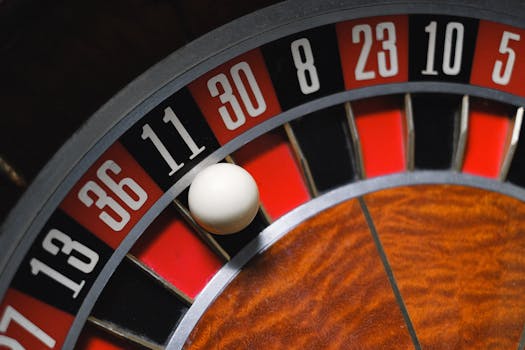
By the early 19th century, roulette had spread across Europe, evolving into two principal variations: the French/European version with a single zero, and the American version with both a single and double zero. The design of the roulette wheel itself is a marvel of symmetry and balance, with numbers alternating between red and black, odd and even, in a sequence designed to minimize the chance of patterns and maximize unpredictability.
Roulette quickly became synonymous with glamour and excitement in iconic venues like Monte Carlo’s Casino de Monte-Carlo and Las Vegas’ Flamingo. Today, the game is universally recognized, with online versions bringing its thrills to millions more around the globe. According to the American Gaming Association, roulette is among the top five casino table games, with a global market estimated to surpass $2 billion annually.
Inside the Wheel: The Mathematics of Roulette
At its core, roulette is a quintessential game of chance, governed by the laws of probability. The roulette wheel consists of numbered pockets — 37 in European roulette (numbers 1-36 plus a single zero) and 38 in American roulette (numbers 1-36, a single zero, and a double zero). Each spin is completely independent, with the probability of the ball landing in any specific slot determined by the ratio of that slot to the total.
For example, in European roulette, the odds of hitting a single number (a "straight-up" bet) are 1 in 37, or about 2.7%. In American roulette, with the extra double zero, those odds drop to 1 in 38, or about 2.63%. The house edge — the average profit the casino expects to make from each bet — is a critical factor:
- European roulette: House edge is approximately 2.70% - American roulette: House edge increases to about 5.26%What does this mean for players? Over the long run, for every $100 wagered on European roulette, the casino expects to retain $2.70 on average; for American roulette, that number jumps to $5.26. While short-term streaks and lucky spins do occur, the mathematics ensure that the house always maintains an advantage.
Roulette Variants: European, American, and Beyond
Although the essence of roulette remains consistent, key differences exist between its main variants. These differences affect not only the odds but also the strategies and experiences available to players. Here’s a comparative overview:
| Variant | Number of Pockets | Zero Pockets | House Edge | Special Rules |
|---|---|---|---|---|
| European Roulette | 37 | 1 (0) | 2.70% | En Prison, La Partage |
| American Roulette | 38 | 2 (0, 00) | 5.26% | None |
| French Roulette | 37 | 1 (0) | 1.35% (on even money bets) | En Prison, La Partage |
The inclusion of the double zero in American roulette significantly increases the house edge, making it less favorable for players. French roulette introduces unique rules like “La Partage” (half your even-money bet is returned if zero lands) and “En Prison” (your even-money bet is ‘imprisoned’ for another spin if zero lands), further reducing the house advantage on certain bets to just 1.35%.
Globally, European roulette is the most widely played version, particularly in online casinos. American roulette, however, dominates in the United States, while French roulette is a specialty found in select European venues.
The Human Factor: Psychology, Ritual, and Rituals
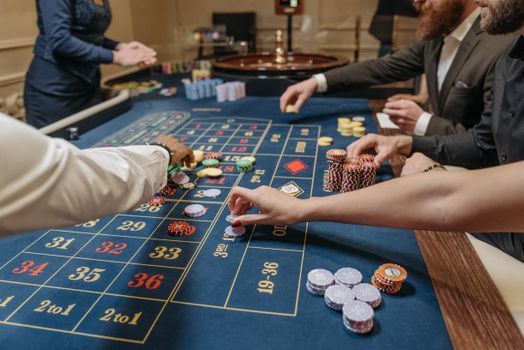
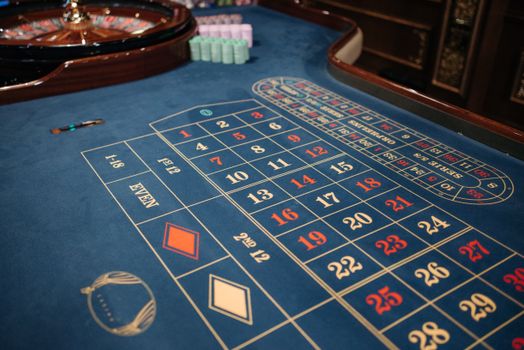
Roulette’s enduring fascination isn’t just about numbers and probabilities — it’s deeply rooted in human psychology. The spinning wheel, the white ball, the dramatic pause before the outcome, and the rainbow of betting options all contribute to a sense of suspense and excitement. This emotional rollercoaster is a key part of roulette’s appeal.
Players are often drawn to rituals and superstitions, from blowing on the ball to betting on “lucky” numbers or colors. Studies have shown that nearly 60% of regular roulette players engage in some form of ritualized behavior, whether it’s always betting on their birthday or following a favorite pattern on the betting layout.
The illusion of control — the belief that one’s actions can influence an outcome that is, in fact, entirely random — is especially strong in roulette. This psychological phenomenon is not unique to gambling but is amplified by the game’s theatrical presentation and the social atmosphere of the casino.
Modern Innovations: Technology and Online Roulette
The rise of digital technology has transformed roulette, making it more accessible than ever before. Online casinos now offer a multitude of roulette variations, from live-dealer tables streamed in real time to computer-generated games with customizable limits and betting options. In 2023, the global online gambling market was valued at over $92 billion, with roulette consistently ranking among the most popular games.
Advancements in random number generation (RNG) have ensured that online roulette is as fair and unpredictable as its physical counterpart. Many platforms also feature statistical tracking, allowing players to review hot and cold numbers, recent outcomes, and betting histories. Some even offer “lightning roulette” and other innovative formats that add multipliers and bonus features for extra excitement.
Mobile gaming has further expanded roulette’s reach, with over 50% of online roulette play now taking place on smartphones and tablets. This convenience has introduced a new generation to the game, blending classic thrills with cutting-edge technology.
Famous Roulette Stories: Legends, Myths, and Big Wins
Roulette’s storied history is peppered with legendary tales and colorful characters. Among the most famous is Joseph Jagger, an English engineer who, in 1873, famously “broke the bank” at Monte Carlo by noticing a bias in the wheel and exploiting it for a fortune equivalent to over $3 million today. His story inspired generations of “wheel watchers” hoping to spot imperfections — though with today’s precision engineering, such exploits are all but impossible.
Another notable incident occurred in 2004, when British gambler Ashley Revell sold all his possessions and bet his life savings — $135,300 — on red at the Plaza Hotel & Casino in Las Vegas. The ball landed on red 7, doubling his money in a single, heart-stopping spin. Revell’s gamble remains one of the most famous roulette stories of modern times.
Myths also abound, such as the “Gambler’s Fallacy” — the mistaken belief that if black has come up several times in a row, red is now “due.” In reality, each spin is independent; the odds remain the same regardless of previous outcomes.
Conclusion: The Enduring Magnetism of Roulette
Roulette’s universal appeal lies in its perfect blend of simplicity and sophistication, luck and lore. From the gilded halls of Monte Carlo to the glowing screens of online casinos, the spinning wheel continues to capture imaginations, fuel legends, and offer moments of electrifying suspense. Its mathematical underpinnings ensure fairness and excitement, while its rituals and stories make it a cultural phenomenon.
Whether you’re placing a casual bet on your favorite number or studying the subtle nuances of each variant, roulette remains a testament to the timeless allure of chance. As long as people crave a taste of unpredictability and the possibility of a life-changing spin, the wheel will keep turning.