The enthralling world of casino games does much more than offer a chance to win money; it taps deeply into human psychology, making use of well-established principles to keep players engaged and repeatedly coming back for more. By understanding the underlying psychological triggers involved, players can better understand their own behaviors and potentially mitigate the risks associated with gambling.
Random Rewards and Player Engagement
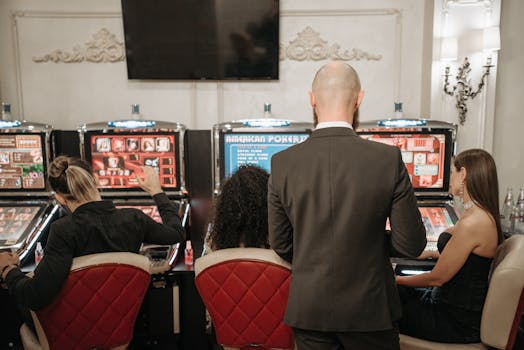
The core appeal of casino games often lies in their unpredictability. The psychological driver behind this is the variable ratio reinforcement schedule, a concept derived from behaviorist psychology. This type of reinforcement rewards a behavior at unpredictable intervals, which can lead to high and sustained levels of response. Slot machines, for example, pay out rewards in a pattern that is not fixed, thereby encouraging players to continue playing in hopes that the next pull will bring a win.
.png)
The Thrill of Near Misses
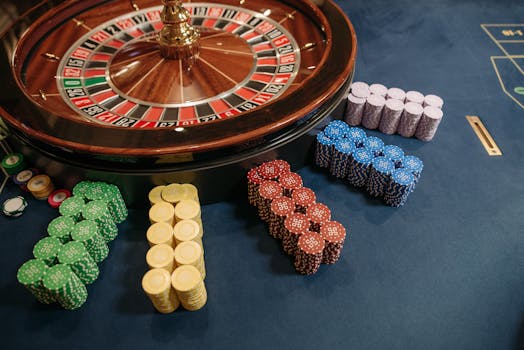
Near misses play a crucial psychological role in gambling behavior. When players lose a game but are tantalizingly close to winning, this often motivates them to try again. The brain interprets these near misses as being similar to actual wins, thus stimulating further play. This phenomenon is particularly evident in games like slots or roulette, where just missing a win by a narrow margin can entice players to keep playing.
Illusion of Control
Games like poker and blackjack, which blend chance with an element of skill, can lead players to believe they have more control over the outcome than they actually do. This illusion of control can be psychologically compelling, giving players the false impression that they can exert skill or strategy to influence the game's outcome in their favor. This often results in prolonged gambling sessions and increased bets.
Casino Atmosphere and Design
Casinos are masterfully designed environments that enhance the gaming experience and maximize player engagement. The bright lights and stimulating sounds keep the energy levels high, while the absence of clocks and windows prevents players from realizing how much time has passed, encouraging longer play periods. This sensory-rich environment can lead to a state of immersion where nothing else seems to matter except the game at hand.
Social Influences
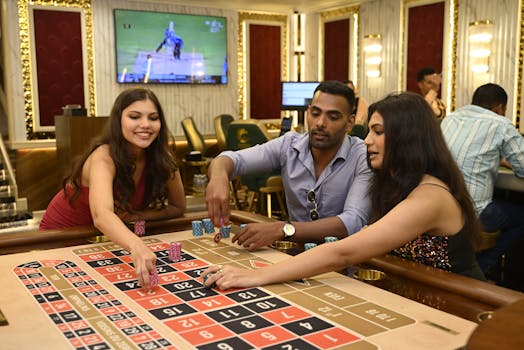
Gambling is not just a solitary activity; it's also a social one. The excitement and enthusiasm of other players can be infectious, pushing individuals to gamble more than they might on their own. Peer pressure and the desire to match or surpass others' successes can also amplify risk-taking behaviors, potentially leading players to make larger bets or play more aggressively.
Commitment and Chasing Losses
Once players start gambling, a psychological commitment to recover losses or break even can take hold. This can lead to the perilous cycle of chasing losses, where players continue gambling to try and win back money they've lost, often leading to deeper losses. The initial commitment to gamble can be difficult to step back from, particularly after significant investment.
Conclusion
The psychological mechanisms that underpin casino games are designed to enhance player engagement and encourage repeat visits. By understanding these principles, players can approach gambling more mindfully, potentially enjoying the entertainment aspect of it while recognizing and managing the risks involved. Remember, gambling should always be done responsibly, with awareness of the psychological factors at play.