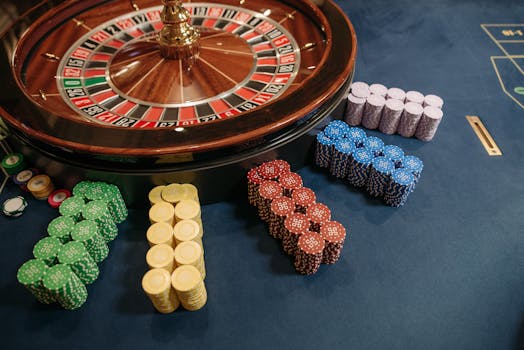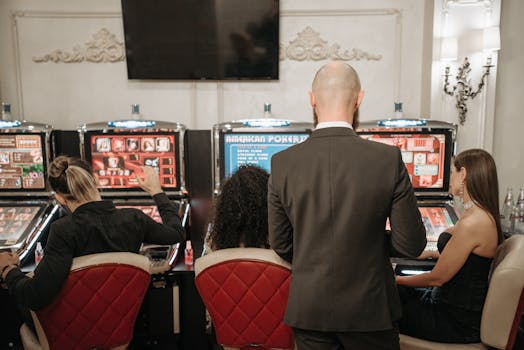
Certainly, the allure of casino games is deeply rooted in psychological principles that both captivate and influence player behavior. These mechanisms are carefully integrated into the casino environment to enhance player engagement and encourage longer play times, often leading to increased spending.
Sensory Stimulation and the Flow State
Casinos are sensory-rich environments. The bright lights, vibrant sounds, and even the layout are meticulously planned to draw players in and create a state of immersion. This can trigger a psychological state known as 'flow', where players lose track of time and are completely absorbed in the activity. This state not only increases enjoyment but also encourages players to spend more time at the machines or tables.
.png)
The Dopamine Effect
The possibility of winning big is a significant draw for casino goers. The brain's reward system is activated when players win, releasing dopamine, which is associated with pleasure and satisfaction. This chemical response reinforces the gambling behavior, pushing the player to continue in the hopes of experiencing further rewards.
Illusion of Control
Games that require decision-making, like blackjack and poker, give players a sense of control over the game's outcome. This can lead to an overestimation of one's influence over the results, encouraging longer periods of play and increased bets. However, it's crucial to recognize that while skill can enhance chances of winning, the element of chance is always present.
Near-Misses
The concept of near-misses plays a critical role in player engagement. When players come close to winning but just miss out, it often feels like a win, stimulating the brain in a similar way to an actual victory. This can motivate players to keep playing, fueled by the belief that a win is just around the corner.
Loss Aversion
Loss aversion is another psychological phenomenon that casinos exploit. Players are often more affected by losses than by equivalent gains. This can lead to 'chasing losses'—a cycle where players continue gambling to try and recover lost money, which can escalate into greater losses.
Social Dynamics
The social environment of a casino also contributes to its appeal. The feeling of community and the interactions with other players can enhance enjoyment. Additionally, casinos reward regular patrons with comps, such as free meals or hotel stays, fostering a sense of value and belonging.
Understanding these psychological aspects can help players approach casino games more consciously and responsibly. Recognizing when they are falling into these psychological traps allows them to maintain control and enjoy gambling as a form of entertainment, rather than a problem.
By comprehending the intricate psychology of casino games, players can better navigate their experiences within these environments. This knowledge not only enhances the enjoyment of the games but also promotes healthier, more conscious gaming habits.