Las Vegas, often dubbed "Sin City," has captivated the imagination of millions around the world. Its shimmering neon lights, world-renowned entertainment, and vast casino floors have created an aura of glamour that is nearly impossible to resist. But behind the velvet ropes and dazzling facades lies a complex world that blends psychology, economics, and showmanship. In this article, we’ll peel back the layers of glitz to reveal the realities, myths, and mechanisms that fuel the allure of Las Vegas casinos. If you’ve ever wondered why Las Vegas holds such a magnetic pull, read on to discover the truth behind its glamorous image.
The Origins of Las Vegas Casino Glamour
The story of Las Vegas’s rise to global fame is as vibrant as the city itself. In the early 1900s, Las Vegas was little more than a railroad town in the Mojave Desert. It wasn’t until the legalization of gambling in Nevada in 1931 that its transformation truly began. By the 1940s and 1950s, mob-linked entrepreneurs like Bugsy Siegel pioneered opulent casino resorts, such as the legendary Flamingo, blending luxury, entertainment, and gaming in ways never before seen.
By the 1960s, Las Vegas had become synonymous with Hollywood stars, high rollers, and jaw-dropping spectacles. The Rat Pack—Frank Sinatra, Dean Martin, and Sammy Davis Jr.—made regular appearances, cementing the city’s image as a playground for the elite. Today, Las Vegas welcomes over 32 million visitors annually (2023 data, Las Vegas Convention and Visitors Authority), with its casinos remaining at the heart of the city’s allure.
.png)
The Psychology Behind the Casino Experience
Las Vegas casinos are meticulously designed to stimulate the senses and encourage play. This is no accident—every aspect, from the carpet patterns to the absence of clocks, is meant to immerse guests in a timeless, exciting environment.
A striking statistic: The American Gaming Association reports that 85% of casino revenue comes from gaming, not hotel stays, dining, or shows. To maximize this, casinos use psychological techniques to keep players engaged:
- $1 Bright lights, ringing slot machines, and upbeat music create a festive atmosphere, stimulating dopamine release and a sense of reward. - $1 By removing external cues, casinos make it easy to lose track of time, encouraging longer play sessions. - $1 Casino floors are intentionally designed like a labyrinth, subtly guiding guests past enticing games and amenities.According to a 2022 study from the University of Nevada, guests spend on average 3.2 hours on the casino floor per visit—almost double the time spent at other entertainment venues. This immersive design is a key reason why Las Vegas casinos feel so irresistibly glamorous.
Behind the Glitz: Economics and Reality
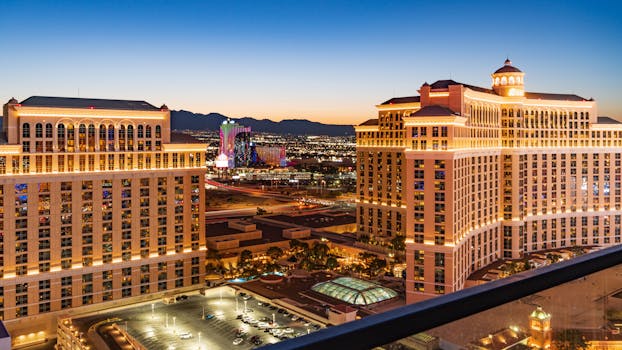
The glamour of Las Vegas casinos is built on a carefully balanced economic model. While stories of massive jackpots and celebrity sightings abound, the reality is that the house always has the edge. The city’s iconic skyline—featuring mega-resorts like The Bellagio, The Venetian, and MGM Grand—wasn’t built on player wins alone.
Let’s take a closer look at how the economics of casino gaming really work:
| Casino Game | House Edge (Average) | Potential for Big Wins | Glamour Factor |
|---|---|---|---|
| Slot Machines | 2% - 10% | Yes (Jackpots) | Very High (Bright lights, themes) |
| Blackjack | 0.5% - 2% | Moderate | High (Skill-based, social) |
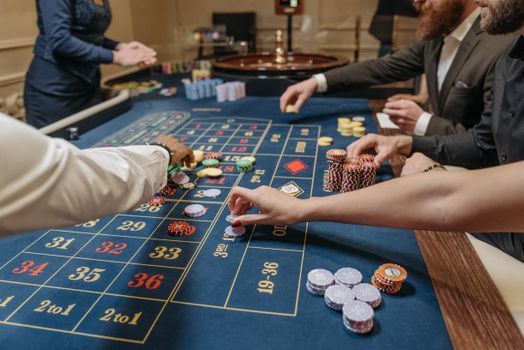
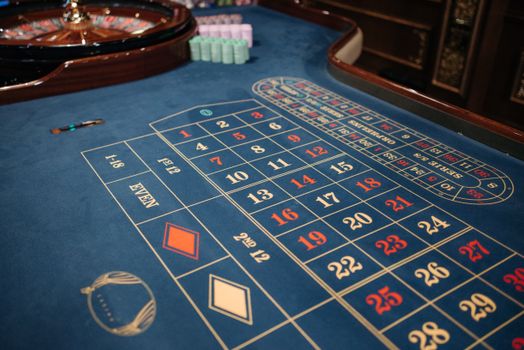
| Roulette | 2.7% (European) / 5.26% (American) | Moderate (Single-spin wins) | High (Classic, elegant) |
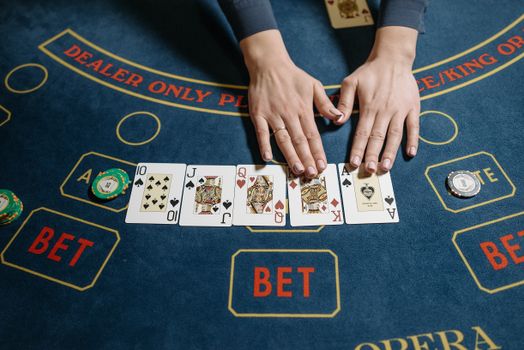
| Poker | Varies (Rake system) | High (Skill, tournaments) | Very High (Prestige, tournaments) |
| Baccarat | 1.06% (Banker bet) | Low to Moderate | Very High (Favored by high rollers) |
These numbers show that while some games offer lower house edges, the odds always favor the casino in the long run. Yet, the possibility of a life-changing win—combined with the spectacle and social excitement—keeps millions coming back for more.
Myths and Misconceptions About Las Vegas Glamour
The image of Las Vegas as an endless party where fortunes are made overnight is both compelling and misleading. Let’s dispel some common myths:
Myth 1: “Big winners are everywhere.” Fact: According to the Nevada Gaming Control Board, less than 0.01% of visitors win a jackpot exceeding $1 million annually. Most players experience small wins, with the majority leaving with less than they started.
Myth 2: “Casinos give away free luxury perks to everyone.” Fact: While complimentary drinks are common, high-value perks—like penthouse suites or show tickets—are reserved for high rollers or frequent players tracked through casino loyalty programs. In 2023, less than 10% of visitors qualified for significant comps.
Myth 3: “You can beat the system with the right strategy.” Fact: While skill games like poker or blackjack offer better odds with optimal play, most games are governed by chance, and the house edge remains.
The glamour of Las Vegas is real, but it’s important to recognize the sophisticated systems that create and sustain it.
The Evolution of Casino Entertainment Beyond Gambling
In the past two decades, Las Vegas has reinvented itself as a global entertainment destination. Today, less than 40% of total visitor spending goes toward gambling (Las Vegas Convention and Visitors Authority, 2023). The rest is split between luxury accommodations, world-class dining, shopping, and entertainment.
Las Vegas now hosts over 22,000 conventions and trade shows annually, attracting both business travelers and leisure tourists. The city’s theaters feature everything from Cirque du Soleil and magic shows to concerts by international superstars. The gastronomy scene has exploded, with Michelin-starred restaurants and celebrity chefs like Gordon Ramsay and Joël Robuchon gracing the Strip.
This shift means that the allure of Las Vegas is no longer solely based on the casino floor. The city’s glamour now extends to every facet of the visitor experience, drawing in guests who may never gamble at all.
Las Vegas Casinos in Popular Culture
The mystique of Las Vegas has been immortalized in film, music, and literature for decades. Movies like "Ocean’s Eleven," "Casino," and "The Hangover" portray the city as both a wonderland and a den of intrigue. These portrayals often amplify the glamour—fast cars, beautiful people, and adrenaline-pumping heists—while occasionally hinting at the risks and excesses beneath the surface.
Music legends from Elvis Presley to Celine Dion have cemented their legacies with Las Vegas residencies, further entwining the city with the concept of star-studded glamour. Even contemporary artists like Bruno Mars and Adele have chosen Las Vegas stages for their performances.
This enduring presence in popular culture helps reinforce the city’s reputation as a place where anything can happen—an image that is carefully cultivated by casino and resort marketing teams.
The Lasting Appeal of Las Vegas Casino Glamour
Las Vegas’s glamour is much more than smoke and mirrors; it’s the result of decades of innovation, psychology, and cultural evolution. The city offers a unique blend of escape, excitement, and spectacle, harnessing both the thrill of gaming and the draw of world-class entertainment. While the reality behind the glittering lights is driven by economics and calculated design, the sense of possibility that Las Vegas embodies is, in itself, a form of magic.
For visitors, understanding the forces that shape the Las Vegas experience can lead to a more informed—and more enjoyable—stay, whether you’re spinning the roulette wheel, savoring a gourmet meal, or simply soaking in the sights.