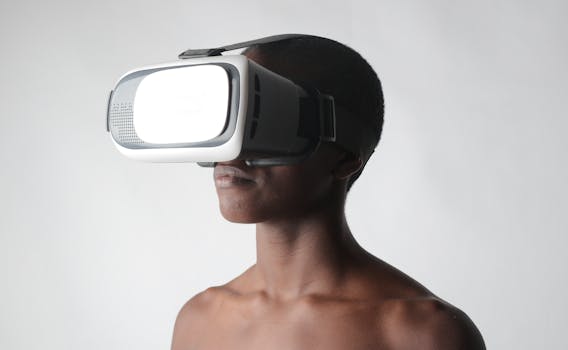
The history of casino games is as intriguing as it is diverse, taking us on a journey from ancient civilizations to the sophisticated digital platforms of today. This evolution not only highlights shifts in the types of games played but also reflects broader societal transformations.
Ancient Beginnings
The earliest evidence of gambling dates back to ancient China around 2300 BC, where tiles were used for rudimentary games of chance. The practice spread across continents and cultures, with the Egyptians and later the Greeks and Romans, embracing various forms of gambling. For the Romans, it was more than just entertainment; it was a way to pass time during military campaigns.
.png)
Medieval and Renaissance Developments
During the Middle Ages, gambling became popular across Europe. Italy, in particular, played a crucial role in the evolution of gambling spaces. The Italian word "casino" originally referred to a social club or summerhouse, settings where leisure activities, including gambling, took place. This period also saw the establishment of controlled gambling environments, beginning with Venice's Ridotto in 1638, which can be considered the precursor to modern casinos.
The French Connection
In the 17th and 18th centuries, France was instrumental in developing several casino games, most notably Roulette. This game became immensely popular across Europe and was later introduced to the United States along with other French contributions to the gambling world.
American Gambling Frontier
In America, gambling found a stronghold in the saloons of New Orleans and the Wild West. The California Gold Rush of the 19th century saw gambling as a popular form of entertainment among miners. As the American gambling scene grew, Nevada legalized gambling in 1931, leading to the rise of Las Vegas as a global gambling hub. The city introduced the world to a new level of gambling experience with a wide array of games and entertainment options.
Technological Advancements and Online Casinos
The late 20th and early 21st centuries marked a significant shift with the introduction of online casinos. The internet revolutionized the industry, allowing players to engage in their favorite games from anywhere in the world. This accessibility helped make casino games more popular, leading to innovations such as mobile gaming, live dealer games, and the exciting possibilities offered by virtual reality.
Current Trends and Future Outlook
Today, the casino industry continues to expand, incorporating new technologies to create more immersive and interactive experiences. The rise of mobile gaming and virtual reality casinos points to a future where casino games are more accessible and engaging than ever before.
The journey of casino games from ancient tiles to virtual reality offers a fascinating glimpse into how cultural, technological, and social developments influence recreational activities. As we move forward, the nexus of technology and user experience seems set to drive the next evolution of the gambling industry. Understanding this history not only enriches our appreciation of this form of entertainment but also helps us anticipate future trends in this dynamic field.